
About the Site

The Tremont City Barrel Fill Clean Up Site is a closed, permitted industrial waste facility located approximately 1.5 miles west of Tremont City and 3.5 miles northwest of Springfield, Ohio. The facility was developed and operated under the regulatory requirements in place at the time. Disposal operations at the site ended around 1980, and a soil cover was placed over the disposal area. Additional soil was added in subsequent years, resulting in a cover that now ranges from approximately 10 to 17 feet in depth over the waste. Cleanup activities at the site are being conducted under the oversight of the U.S. Environmental Protection Agency (USEPA).
Implementation of the approved cleanup remedy is scheduled to begin in 2026. The work will include removal of the existing soil cover, excavation of buried drums and other wastes, off-site disposal of liquid and still-bottom wastes, and on-site containment of the remaining hazardous and non-hazardous solid wastes within a newly constructed multi-barrier engineered containment cell. The remedy also includes long-term leachate management and groundwater monitoring to help ensure the continued protection of human health and the environment.
How the Clean Up Process Will Be Performed
Step 1:
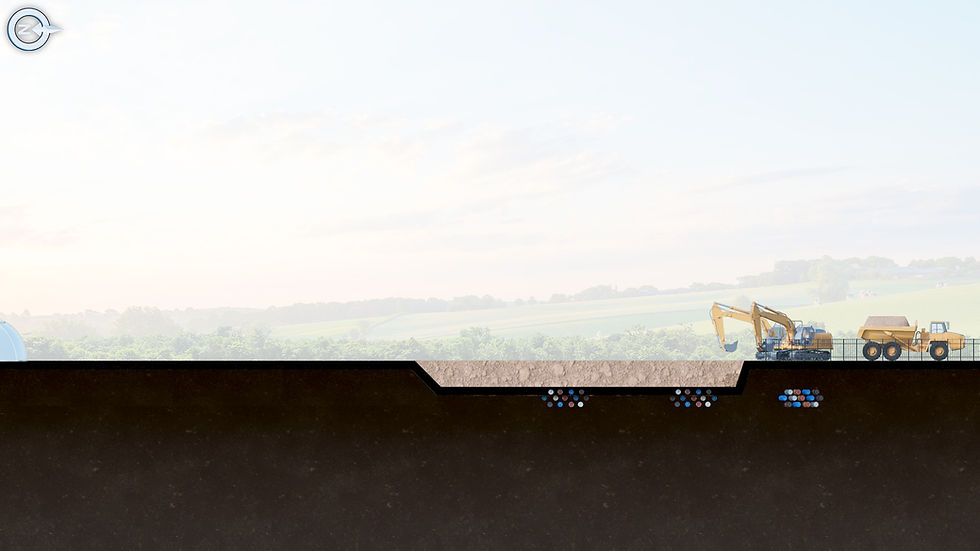
Site Prep & Soil Removal
-
Establish site support facilities, staging areas, and environmental controls needed to safely perform clean-up activities.
-
Remove and stockpile the existing soil cover to provide access to the underlying waste disposal areas.
-
Implement dust control, stormwater management and environmental monitoring measures throughout construction.
-
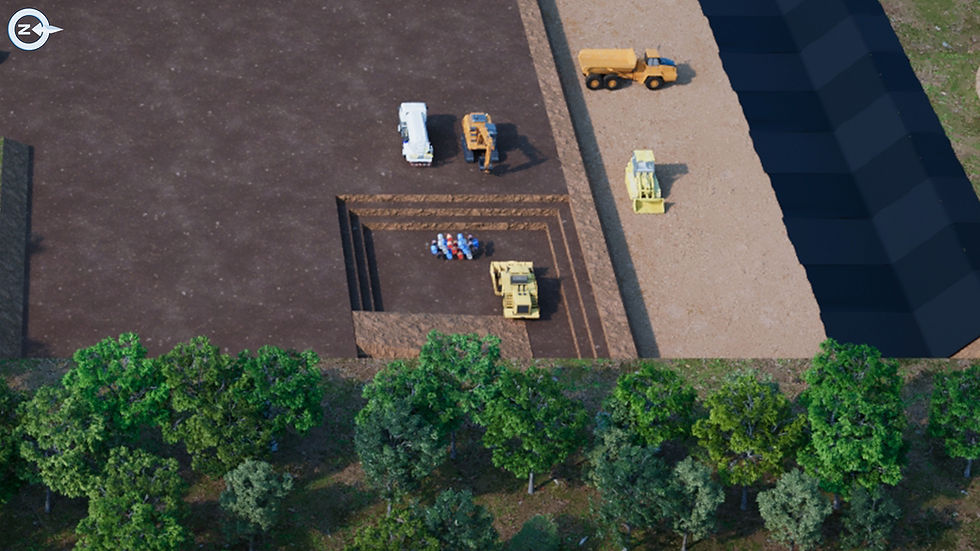
Step 2: Drum Excavation & Characterization
-
Begin excavation activities and systematically remove buried drums and waste materials from the disposal area.
-
Inspect, identify, and track recovered materials to support safe handling and disposal.
-
Transport recovered materials to designated staging and characterization areas for evaluation and processing.
-
Step 3: Waste Removal & Material Management
-
Continue excavation and removal of drums, impacted soil, and other waste materials throughout the site.
-
Characterize and separate materials to determine appropriate recycling, treatment, disposal, or on-site containment options.
-
Temporarily manage excavated materials in designated areas until placement within the engineered containment cell or shipment to approved disposal facilities.

-
Step 4: Engineered Containment Cell Construction
-
Construct a multi-barrier engineered containment cell designed for the long-term management of selected site materials.
-
Install liner systems, leachate collection infrastructure, and associated environmental protection components.
-
Construct leachate storage and management facilities to support long-term operation and monitoring of the remedy.

-
Step 5: Site Restoration & Long-Term Monitoring
-
Complete placement of materials within the engineered containment cell and install the final protective cover system.
-
Restore the site with clean soil and establish vegetation to support long-term site stability.
-
Conduct long-term groundwater monitoring, leachate management, inspections, and maintenance activities under USEPA oversight.

-

Contact Us
